
Samsung Is Reportedly Reducing Galaxy A Output
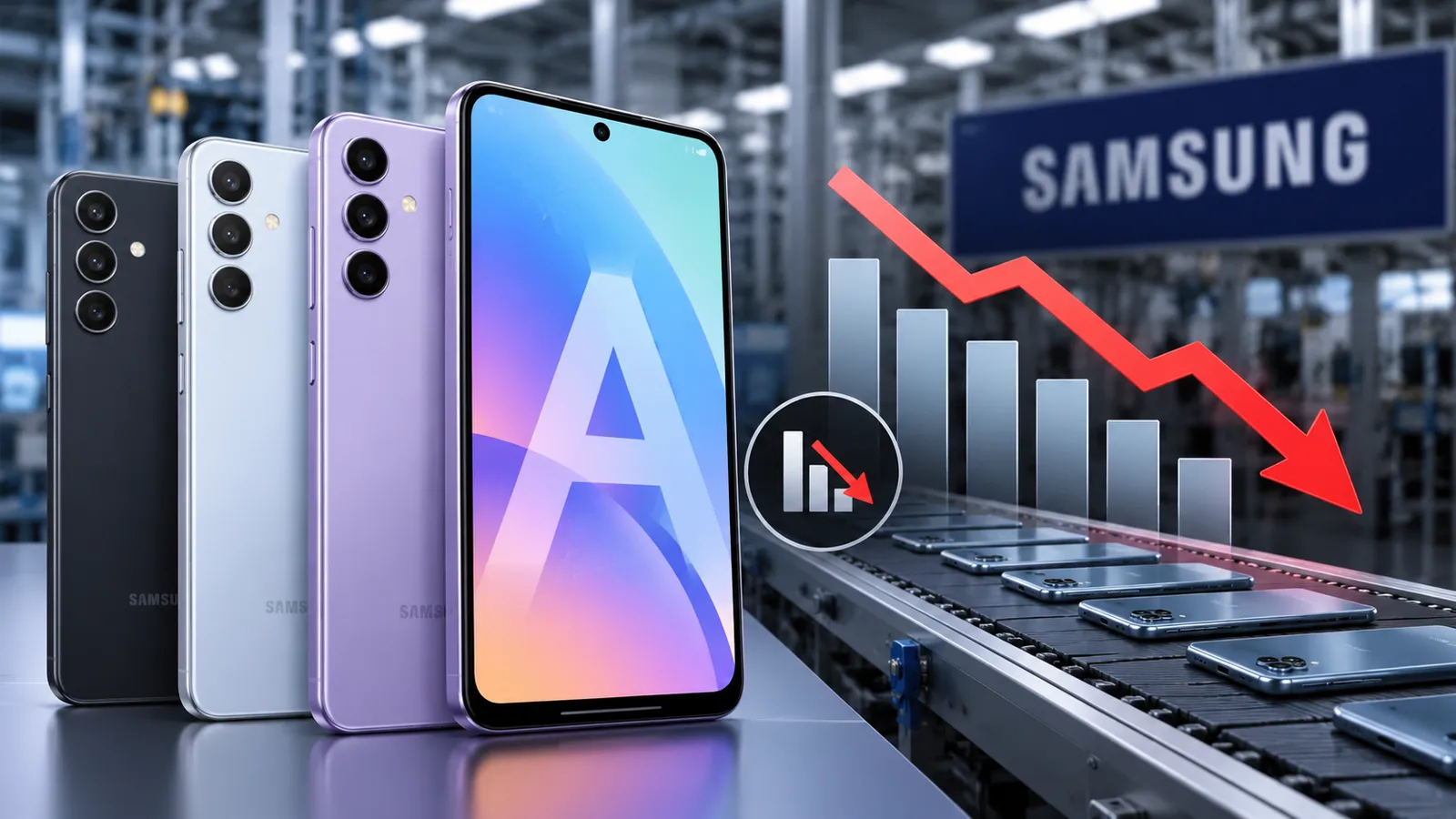
A report claims Samsung will be reducing production of Galaxy A devices by around 20% this quarter due to rising memory chip costs. Here’s what this could mean.
By TechnoWorld360 Editorial TeamPublished
- Format
- Explainer
The short answer
A South Korean report claims Samsung will reduce Galaxy A production by around 20% in the fourth quarter of this year (around 10 million less units for the whole year). This is due to rising memory chip costs. The report has not been confirmed by Samsung. If you’re looking to get your hands on a Galaxy A device then you’ll see tighter availability, and potentially increased prices or reduced specs.
What is being reported?
To put this simply, Phone Arena claims Samsung will be reducing Galaxy A output by around 20% in the fourth quarter of this year (around 10 million less units for the year).
The report goes on to claim this is due to memory chip costs, which now make up over 50% of the overall production cost of a budget or mid range device. This means it is very difficult for any brand to keep prices low.
The report also claims Samsung is considering reducing production of Galaxy A by more than 10% in 2027. An unnamed industry source also noted it is losing money in its mobile division this year and will reduce Galaxy A series production by more than 10% next year.
This has not been confirmed by Samsung so should be taken as a report. We will update this article as needed.
A quick recap
If you’re not a huge fan of Samsung, their naming can be confusing! Galaxy S phones are the main flagship devices, Galaxy Z are the foldables and Galaxy A is a mainstream option. These are budget and mid range devices.
Galaxy A devices like the A57 and A56 are the higher end of this range. The A17 and upcoming A08 5G are cheaper options. The price points are more accessible meaning they are available to far more people.
This is why this report is important. The Galaxy A range will be impacted.
Why this is important
The Galaxy A range is actually the most popular range Samsung has.
Phone Arena cites that in the first quarter of 2026, Galaxy A models made up 5 of the top 10 best selling devices. In the second quarter they made up 3. Counterpoint also noted Samsung was the leading brand in India, taking 17% of the market in the third quarter. The overall shipment count in India reduced by 20% and was at its lowest point in a decade. Samsung’s budget devices helped this.
When Samsung mentions reducing production of these devices, it means they’re losing out on keeping their market share high. This is why this move is risky for Samsung. They could lose out on their value proposition to competitors.
Flagships provide a much bigger profit per device. Budget devices provide less profit but can provide a nice volume of sales. They’re also a great way to bring in new customers who may upgrade to a flagship. By reducing their entry point you may impact your future flagship sales.
Chipflation
You’ll notice one term throughout this article – chipflation. Memory chip costs are increasing and this impacts budget devices.
Flagship devices are expensive so whilst they’re increasing the cost of memory chips is frustrating, it can easily be absorbed. Budget devices are much cheaper so this increase in price will have a much larger impact. As memory makes up over 50% of costs, the maths isn’t pretty!
There just aren’t many options for companies. They can increase the price, reduce the specs, reduce the amount produced or accept lower profits. Phone Arena cites another report claiming Samsung may reduce the spec of next year’s Galaxy A models (second option) and reduce the amount produced (third option).
Overall this isn’t great for you but it is a trend. Other brands are facing the same issue. Tablet brands are also increasing prices. In fact, Phone Arena’s trending news this week includes a report that some Lenovo tablets have increased in price again.
What this could mean
We can’t be certain but here are some realistic scenarios.
Tighter availability. If you’re seeing around a fifth less Galaxy A devices produced this quarter you may see some models/colours sell out quicker.
Fewer deals. With less availability retailers and carriers are less likely to offer large discounts.
Increased prices or reduced specs on next years models. This is what the spec reduction report suggests.
However, this is a reduction in planned production rather than last year’s actual sales so may not be as drastic. As Phone Arena mentions, it may not cause a fuss globally. Overall we’ll have to wait and see.
Who will be most affected?
This is our opinion.
Those on a tight budget are likely to be most affected. If you’re already purchasing a phone at the high end of your budget then a small price increase could mean you can’t afford it.
Those purchasing for family members (first phone for a child, easy to use phone for a parent) may also see an impact. Often these customers will go for a Galaxy A model due to the reliability and affordability. Reduced availability could mean less choice.
Those purchasing from carriers and retailers may see less free offers. Offers where you get a budget phone for free with a plan rely on having low priced and plenty of devices.
Those purchasing a flagship are less likely to be affected. These devices have a larger margin and Samsung are actually focusing more on these.
What can you do if you want a Galaxy A?
This is our opinion.
If you were going to purchase a Galaxy A soon there isn’t much reason to wait. If there is less availability then deals will often dry up. Compare a few retailers to see what the current models (A57/A56) are like.
Before purchasing any device in this range make sure to compare a few factors. How many years of software and security updates will it receive? How much storage and memory does it have? What is the battery life and charging speed like? Does the screen look good outside? Whilst it may have a slightly faster chip, longer supported devices are usually better value.
If you don’t mind getting last year’s model then you can get a good deal on an older Galaxy A or recent Galaxy S. If your current device is still working well then it’s perfectly reasonable to wait another year.
What we don’t know
We don’t know how many models or regions will be impacted. We don’t know if prices will increase, we just know costs are. We only have one main source (ETNews). Some details may vary.
Overall if memory costs remain high then all brands will need to make similar decisions. The budget market may shift to fewer, higher priced devices. We’ll be keeping an eye on this.
We’ll update this article if Samsung make any statements or more reports come out.
Summary
The main points are Samsung are reportedly producing around a fifth less Galaxy A devices this quarter due to increasing memory chip costs. They may also reduce production next year. This has not been confirmed by Samsung. It’s not clear how this will impact availability.
Overall the best thing to do is stay calm. If you need a Galaxy A then purchase a good current model at a fair price. If you can wait then keep an eye out for any deals. When purchasing a device make sure to check how long it will be supported for (software updates) and how much storage it has.
We’ll keep this page updated.
Sources
PhoneArena, Galaxy A phones may become much harder for you to buy as Samsung shifts focus (26 October 2026): https://www.phonearena.com/news/galaxy-a-phones-harder-to-buy_id184301 ETNews, as cited by PhoneArena, on Galaxy A production cuts: https://www.phonearena.com/news/galaxy-a-phones-harder-to-buy_id184301 Counterpoint Research, as cited by PhoneArena, on Samsung's market position: https://www.phonearena.com/news/galaxy-a-phones-harder-to-buy_id184301
Questions people ask
Is Samsung reducing production of Galaxy A devices?
A South Korean report claims Samsung will reduce production of Galaxy A devices by around 20% this quarter (around 10 million less for the year). This has not been confirmed by Samsung.
Why is Samsung reducing production of Galaxy A devices?
The report mentions it is due to increasing memory chip costs. These now make up over 50% of the production costs of budget and mid range devices.
Will Galaxy A devices increase in price?
We don’t know. Costs are increasing but Samsung have not mentioned any price changes. Another report claims they may reduce some specs next year.
Why are Galaxy A devices so important for Samsung?
They are the most popular. Counterpoint data shows Galaxy A models made up 5 of the top 10 in the first quarter of 2026 and 3 in the second.
Should I purchase a Galaxy A device?
If you need one soon there isn’t much reason to wait. Compare current models. Make sure to check how long it will be supported for.